


 4 Min
4 Min In Conditions

Follow this topic

Bookmark

Record learning outcomes
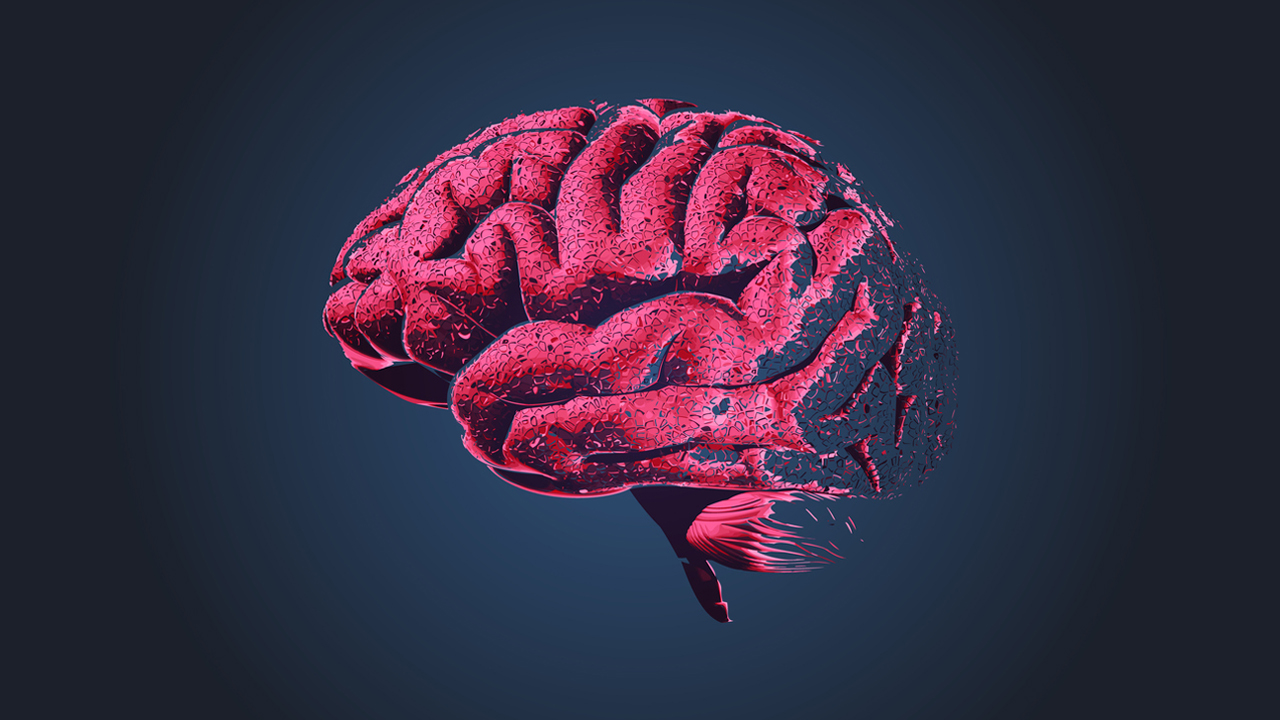
The average adult brain contains around 100 billion cells. Although it accounts for just two per cent of the body’s total weight, the brain receives 20 per cent of its blood supply and 20 per cent of its calorie intake, according to Age UK.
This is because the brain runs all the functions in the body, from automatic ones like breathing to conscious ones like movement. It is also, of course, where we think, feel emotions and experience mental health concerns.
The term mental health is used in relation to a person’s psychological and emotional state. Cognitive health, on the other hand, refers to the conscious and unconscious thought processes involved in learning and understanding.
“Mental health and cognitive wellbeing are closely connected and influence one another throughout our lives,” says David Crepaz-Keay, public health information lead at the Mental Health Foundation.
“Our cognitive wellbeing – things like memory, concentration, learning and decision making – is shaped by our emotional state, our stress levels, our physical health and the environments we live in.”
Key components
Cognition encompasses functions such as memory, focus and decision-making.
Memory: is the brain’s ability to store, process and use information for future decision making. Short-term memory refers to information the brain stores for a short amount of time for immediate use. Long-term memory is when the brain stores information for long periods – even a lifetime.
Focus: is the ability to concentrate on a task. The brain can focus in different ways, including sustained focus (focusing on one task for a long period) or divided focus (focusing on multiple tasks at once, or ‘multitasking’).
Decision making: is how the brain makes choices about how to solve a problem based on the information it has access to.
Cognitive lifespan
From birth into early adulthood, our cognitive abilities develop rapidly. Early in the 20th century, Swiss psychologist Jean Piaget suggested that there were four stages of cognitive development throughout childhood.
Here is a simplified version:
1. Sensorimotor stage (newborn to two years): learning is based on basic senses and motor skills (sight, sound and touch)
2. Preoperational stage (ages two to seven): language develops
3. Concrete operational stage (ages seven to 11): conversation develops
4. Formal operational stage (age 12+): abstract and critical thinking develop.
Cognitive ability is thought to reach its peak around the mid to late 20s. It then begins to decline, and this accelerates with age. Normal cognitive ageing is defined by Age UK as an inevitable natural decline in some thinking skills, such as short-term memory, reasoning and speed of processing of information.
“These changes occur partly because ageing affects cognition, because the brain processes information more slowly and becomes more vulnerable to distraction, stress and health related changes,” explains Caroline Abrahams, charity director at Age UK.
“While mild changes are expected, more significant or worsening difficulties may indicate something more serious,” adds Fay Valentine, an admiral nurse at Dementia UK.
Diseases such as dementia are often associated with memory loss. However, Fay says: “It is important to remember that not all memory problems are caused by dementia. Factors like stress, poor sleep, physical health conditions or medication can also play a role. If changes in memory, focus or decision making begin to interfere with daily life, it is important to seek advice from a GP.”
Be cautious of claims
Certain nutrients, such as zinc, magnesium, omega-3 fatty acids and B vitamins are thought to have benefits for the brain.
A healthy, balanced diet can be supported with dietary supplements containing these ingredients, but experts warn against reliance on supplementation.
“Anyone considering supplements should be cautious of bold claims and speak to a healthcare professional, especially if they are already taking medication or managing a long-term condition,” warns David Crepaz-Keay, public health information lead at the Mental Health Foundation.
Fay Valentine, a specialist admiral nurse at Dementia UK, echoes this sentiment, highlighting the role pharmacy teams play in preventing the spread of misinformation regarding ‘cures’ for brain conditions.
“No supplement has been proven to prevent dementia, and some products may be marketed in misleading ways, particularly online,” she says.
“It’s important to approach such claims with caution. Rather than relying on supplements, the most effective way to support brain health is through lifestyle and wellbeing.”
“Good mental health doesn’t come from quick fixes, but from sustained care and supportive environments,” adds David.
“High blood pressure, stroke and other cardiovascular problems can affect the blood supply to the brain”
Risk factors for change
There are several interconnected factors that can affect changes in cognitive function. “Age is the biggest risk factor,” explains Fay.
“As the brain changes over time, damage can build up, affecting how brain cells communicate and impact thinking, memory and communication.”
Although ageing is inevitable, the following lifestyle factors can play a big role in brain function over time:
- Smoking has a broad range of negative health impacts, including risk of dementia, addiction and mental health concerns
- Lack of sleep, or poor-quality sleep reduces stress resilience (our ability to manage stress), leading to destabilised mood and affected decision making
- Drinking alcohol impacts sleep and reduces oxygen flow to the brain
- Lack of physical activity impacts brain oxygen levels and stress resilience
- Poor diet impairs brain function due to nutritional deficiency.
These lifestyle factors can also lead to conditions like high blood pressure, stroke and other cardiovascular problems that can affect the blood supply to the brain, increasing the risk of cognitive decline, says Fay.
“Other long-term conditions and untreated depression are also recognised as factors that can influence cognitive health,” she adds.

Mental health plays a role
Depression and other mental health concerns can also impact cognition. “When someone is experiencing poor mental health, the brain is often operating under ongoing stress,” explains David.
“Stress hormones can affect how we process and store information, which can lead to memory problems, difficulty focusing, or slowed thinking.
Supporting mental health helps to protect cognitive wellbeing, and creating environments that support attention, learning and rest can reduce the risk of mental health problems.
That’s why prevention, early support and addressing the wider causes of stress and harm are so important.”
David says that at any age, small, consistent actions make the biggest difference:
- For adolescents: routines that support sleep, regular meals, movement and connection are particularly important. Encouraging open conversations about how they’re feeling, limiting harmful online pressures where possible, and helping them find activities that bring enjoyment or purpose can all support wellbeing
- For adults: managing stress is key. Taking regular breaks, setting realistic expectations, spending time outdoors, staying socially connected, and seeking support early can protect both mental health and cognitive function. Workplaces that prioritise wellbeing also play an important role
- For older people: staying socially connected and mentally engaged is crucial. Loneliness is a significant risk factor for poor mental health, so maintaining relationships, routines and a sense of purpose can make a real difference.
Pharmacy teams can help by creating a non-judgemental, safe space where people feel comfortable raising concerns.
“Simple actions like listening, signposting to trusted support services, and recognising when someone may need additional help can make a meaningful difference,” says David.
For young people especially, and their parents or carers, fostering this sort of safe space is key.
“Creating a calm and friendly environment – somewhere the young person feels comfortable – can make it easier for them to speak up,” says Stevie Goulding, senior manager of parent and carer services at YoungMinds.
“Getting conversations going isn’t always easy and lots of children and young people need support to open up about their feelings. General questions such as ‘what did you get up to today?’ can help ease into the conversation before moving on to checking in with the young person.”
“A healthy, balanced diet supports brain health”
Protecting cognitive function
Maintaining a healthy lifestyle is the cornerstone of good cognitive and mental wellbeing, and there are several aspects to this.
Diet and nutrition
Good eating habits should be introduced at a young age. Learning to eat a variety of foods and mastering moderation are essential building blocks for children to learn how to fuel their brains and bodies.
“A healthy, balanced diet supports brain health and reduces the risk of conditions such as heart disease, stroke and diabetes,” says Fay.
“This includes plenty of fruit and vegetables, starchy foods, protein sources, dairy or alternatives, and small amounts of unsaturated fats, while limiting foods high in fat, sugar and salt. Staying hydrated is also important, as dehydration can worsen confusion.”
Kim Plaza, senior nutrition and education advisor at Bio-Kult, points to a growing body of evidence suggesting that a Mediterranean type diet may protect against cognitive decline.
“Remind customers that high sugar and refined carbohydrate diets may contribute to insulin resistance, which has been associated with an increased dementia risk,” she says.
“In contrast, the Mediterranean diet has a low glycaemic load and may be helpful for balancing blood sugar levels and improving insulin sensitivity.
Additionally, recommending customers choose brightly coloured fruits and vegetables, green tea, nuts, beans, and spices, which contain polyphenols – known for their antioxidant properties – could help reduce oxidative stress, a suggested factor related to premature brain ageing.”
Kim also highlights the connection that exists between the digestive system and the brain, with the microbes that live in the gut having an influence on the mind.
“Gut microbes may also influence brain plasticity – the agility of our brain – through their impact on a protein known as brain-derived neurotrophic factor, which is involved in learning, memory and our ability to adapt to stress,” she says.
Exercise & sleep
Regular exercise and quality sleep are beneficial for mind and body, helping to reduce stress, boost mood and encouraging blood flow and oxygen to the brain.
“Evidence shows that keeping the heart healthy helps to maintain thinking skills later in life, so staying active is key,” says Caroline. “Being even modestly active also helps to give wellbeing a boost and maintains bone strength, muscle strength and coordination.”
Sleep wise, newborns need the most (up to 17 hours a day). This steadily declines throughout childhood, with adults typically needing between seven and nine hours a night. “Disrupted sleep patterns have been associated with impaired cognitive function,” notes Kim.
“Therefore, prioritising sleep may be a simple and cost-effective strategy for those concerned about their cognitive health.”
Social activity
Loneliness is associated with a decline in cognitive function and poor mental health. “Staying socially connected reduces loneliness, supports emotional wellbeing, and provides mental stimulation,” says Fay.
Pharmacy teams can suggest that customers join activity programmes such as book clubs to spend time with others.
“Keeping the mind active through hobbies, learning new skills or creative activities can also help stimulate thinking skills and improve quality of life,” Fay adds.
Brain training
Games play a pivotal role in many cognitive functions. For babies and children, rhymes, songs and practice or repetition games can help to build memory abilities.
As we age, games such as Sudoku, crosswords and jigsaw puzzles can help with memory, too. Pharmacy teams can signpost customers to brain training apps such as Elevate, Lumosity and Peak, which use games and ‘brain workouts’ to focus on specific cognitive abilities.

Memory games can help to build cognitive function from a young age.
Dementia red flags
Pharmacy teams are well placed to notice cognitive changes in their customers. Being aware of possible red flags that may indicate conditions such as dementia can help those affected to receive crucial support.
“Common signs include memory problems, such as forgetting recent information, repeating questions, misplacing items, or forgetting why they came into the pharmacy,” explains Fay Valentine, a specialist admiral nurse at Dementia UK.
“People may also show difficulties with thinking and decision making, including struggling to understand information, make choices (e.g. about medicines), plan tasks or maintain concentration.”
Other signs may include:
- Communication changes: trouble finding words, following conversations (especially in busy settings), repeating themselves, or not understanding verbal or written information
- Disorientation: such as confusion about time, place or purpose, or attending at unusual times
- Behaviour or personality changes: becoming withdrawn, anxious, irritable or apathetic, acting out of character, or losing interest in usual activities
- Difficulty with practical tasks: such as managing medication, handling money, or completing routine tasks independently.
“Pharmacy teams can support individuals by communicating clearly, allowing extra time, reducing distractions, and checking understanding – especially around medication,” says Fay.
“If changes are persistent or worsening, it may be appropriate to gently encourage the person or their family to seek advice from a GP, as early support can help people access appropriate care and planning.”
For further information, visit: dementiauk.org and alzheimers.org.uk.

Share:


In Conditions